

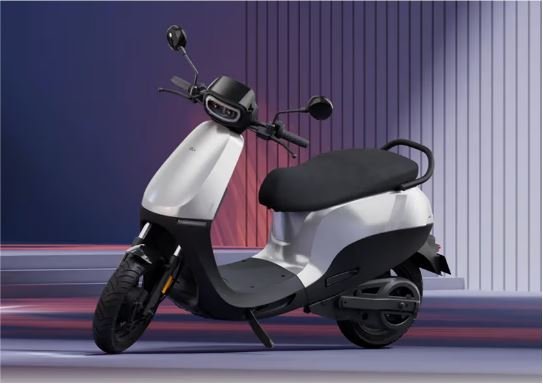


The price quoted for an Ola electric scooter is just the initial cost. The ex-showroom price is the price at which the scooter is on sale, and the actual on-road price may include charges such as registration, insurance and other charges applicable to the scooter. Two customers picking an Ola scooter can get different quotations because of the varying rules and incentives for EVs across different locations. The knowledge of those differences is more important than a single promotional figure.
Choose the right battery and model.
Ola offers multiple S1 models, and the price of one model doesn’t necessarily apply to all the models available. When comparing the Ola Electric Scooter Price, it is important to consider the specific variant. According to BikeWale, the average ex-showroom price of the S1 X is indicative, at ₹89,999, whereas the S1 Z and S1 Pro are priced at ₹79,999 and ₹1.36 lakh, respectively. The amount may vary depending on the variant, battery capacity, colour and offer eligibility. Confirm the model designation before calculating anything else.
The ownership proposition also varies with the size of the battery. The larger the battery the higher the initial cost, but can save on the number of stops during longer commutes. Avoid choosing a higher range variant based on its published Lab Range. Discuss certification process and consider your typical route, speed, load, gradients, and weather. Actual riding range is subject to variations.
The ex-showroom price typically covers the following costs:
Ex-showroom price is the price of the vehicle as listed before applying on-road additions in the vehicle location. Do not consider it to be a complete rundown of all costs that are required to ride legally. Prices listed can include manufacturer discount and/or incentives offered by the government. The benefits may have conditions of eligibility or a time limit, so ask for a written breakdown rather than assuming that the lowest advertised benefit applies to you.
If the offer is to have a subscription or another ownership method, check to see if battery ownership is included in the displayed vehicle. The monthly subscription, termination policy and warranties will significantly affect the overall cost. A subscription-based quotation, when compared with a fully-owned battery model, without the adjustment, is misleading.
The registration and road-tax treatment.
Electric two wheelers may be eligible for concessions in some states, but this is dependent upon existing local rules, vehicle classification, and registration processes. There may be some charges that are not high or waived and that may still apply. The showroom should keep the dealer added service items separate from statutory items. Don’t use someone else’s on-road total from another state as your own.
The amounts for registration may also vary following changes to the policies. When ordering before the end of an incentive period, verify the date that is used to determine the incentive period eligibility (booking date, invoice date, registration or delivery date). It is not assumed that a deposit automatically entitles anyone to a specific subsidy or registration benefit.
Insurance and optional extras
Insurance is another important difference between ex-showroom and on-road pricing. The premium depends on insured value, policy scope, deductible and any selected add-ons. Compare the cover for battery damage, theft, electrical components and roadside support with the actual policy wording. A cheaper quotation may offer less comprehensive protection.
Dealers may propose chargers, accessories, protective treatments, extended warranties or service plans. Determine which items are standard equipment, which are optional and which are necessary for your charging arrangement. Request the full price of any home installation, including wiring or electrical upgrades if required. Do not presume every home can use the same plug-point arrangement safely.
Compare two written quotations fairly
Ask both sellers to identify the same variant and battery, then itemise ex-showroom amount, applicable incentive, tax and registration, insurance, accessories and final payable total. If an offer includes an exchange bonus, separate that conditional discount from the vehicle’s actual selling price. Check whether the old vehicle valuation is competitive before accepting the trade-in.
A lower quoted price is not automatically better if it excludes essential items. Equally, a higher quote may contain optional products you can decline. A comparison is meaningful only when each line covers the same obligations.
Use finance calculations without hiding the difference
A two wheeler loan emi calculator can help compare repayment schedules, but it should start with the amount actually financed. For example, if the complete purchase costs ₹1,10,000 and you pay ₹30,000 upfront, the illustrative principal is ₹80,000. At an assumed 12% annual reducing-balance interest rate over 24 months, the EMI is approximately ₹3,767 before fees. This is a hypothetical illustration, not a loan offer or promise of approval.
Vary the principal, interest assumption and tenure separately. A longer term may reduce monthly instalments while increasing total interest. Check whether any loan is available for your chosen electric model and whether battery subscriptions, insurance or accessories are eligible for financing. Compare processing charges, early-closure conditions and the written repayment schedule.
Budget for charging and after-sales support
Before purchasing, get an idea of where the scooter will charge the majority of the night. Inspect access to a compliant socket, safe routing of cables, parking permission and to the nearest service facility. Inquire about how batteries are diagnosed, software problems and repairs, and warranty claims and replacement parts are processed locally. This information can impact satisfaction more than a slight variation in the opening price.
The other factors a daily commuter has to take into account are pillion comfort, storage capacity, braking confidence and a busy day’s range. Test the scooter on roads you are familiar with, not just using the specification tables. The throttle response and riding position may be suitable for you or not – use a test ride to find out. Details matter.
Final price decision from the invoice.
The logical equation to be compared is not just the difference between the ex-showroom price and on-road price in rupees. It is the total expense of a specific battery and scooter combination, including the precise charges mandated by the statute, appropriate insurance and practical charging solutions. Get a cost breakdown and incentives in writing before paying a non-refundable booking fee. The right Ola scooter isn’t simply the sexy advertised starting price; it’s about the route you want to go on and your budget.