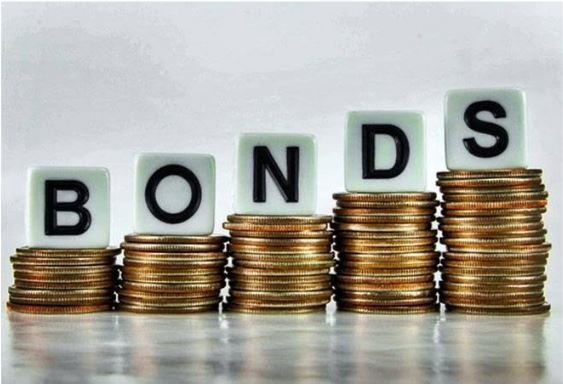
People often hear the words bond and debentures when they start learning about investments. These are kind of ways for companies, also for governments to borrow money from the public. People put money in for a fixed time, and after that, they get interest payments. When someone learns the meaning of bonds and debentures, it helps you understand how these instruments work in a rather simple and, yes, easy way.
What Are Bonds?
Bonds are investment products where people lend money to a company, a bank, or a government. In return, the investor receives the interest money after set fixed intervals or time periods. Then, when the bond term ends, the investor normally gets back the principal amount, basically the original cash. Most people buy bonds for
– steady interest income
– a set investment period
– savings and portfolio planning
What Does Debentures Mean?
Debentures Meaning is about a financial instrument issued mainly by companies to raise funds from investors. People who buy debentures receive interest payments for a fixed period. When the investment period is done:
- the original amount is returned
- the investment period is completed
Debentures also fall under fixed-income investments, so they’re often chosen for predictable returns.
Why Companies and Governments Issue Bonds and Debentures
Companies and governments need funds for different reasons, like
- business activities
- company expansion
- infrastructure projects
- daily expenses
To bring in money, they issue Bonds and debentures to investors, because that’s one common financing route.
Main Difference Between Bonds and Debentures
The key difference usually connects to who issues them and what kind of backing (security) is involved. Bonds are frequently issued by
- governments
- banks
- financial institutions
- companies
Debentures are mostly issued by companies. Also, some bonds can be linked to assets, or supported by government arrangements, while some debentures may not be tied to physical assets at all.
How Interest Payments Work
Both Bonds and debentures pay interest, and this interest is often called a coupon payment. Interest might be paid
- once per year
- every six months
- on certain dates listed in the investment details
Those payment dates are shared before the deal begins, so investors have an idea of the schedule.
What Is Maturity?
Maturity is the date when the investment ends, and the investor gets the original money back. For example,
- Short-term investments end in fewer years
- Long-term investments end after many years
The maturity date is always mentioned in the investment terms.
How Bonds Work
When people buy Bonds, they lend money to the issuer for a fixed time. During that time
- investors receive interest payments
- Bond prices can change in the market
- The original amount comes back at maturity
Some Bonds can also be bought and sold in the market, so prices may move based on conditions.
How Debentures Work
When people buy debentures, they also lend money to a company for a fixed period. During that time,
- investors receive interest payments,
- debenture prices may shift in the market
- the principal amount is returned after maturity
Some debentures can be traded in the market too, depending on the rules of the issue.
Types of Bonds
There are different kinds of Bonds available, such as:
- government bonds
- corporate bonds
- tax-free bonds
- sovereign bonds
Each bond can come with its own interest rate and maturity timeline.
Types of Debentures
Debentures can also show up in different forms, for instance:
- secured debentures
- unsecured debentures
- convertible debentures
- non-convertible debentures
The exact features depend on the company rules and the investment setup.
Risk in Bonds and Debentures
Both Bonds and debentures carry investment risk. Before investing, people generally check things like
- issuer or company information
- interest payment plan
- maturity timeframe
- repayment terms
Doing this helps investors understand what they’re really buying.
Why Investors Compare Bonds and Debentures
Many investors compare Bonds and debentures so they can understand
how interest payments are structured
- the length of the investment period
- issuer details
- repayment terms, and overall conditions
It makes fixed-income choices feel clearer, instead of confusing.
Important Things to Remember
Bond and debenture prices can rise or fall in the market, pretty much like, you know it, depends on conditions. Changes in interest rates and the general market also move their value around. For that reason, investors ought to read the investment details with care before putting money in.
Conclusion
Bonds and debentures are basically investment products companies and governments use to gather money, like a kind of funding request. The people who invest in them get interest payments during the whole investment period, not only at the end, or so it seems. When that investment period ends, investors finally get back the initial sum of money.