

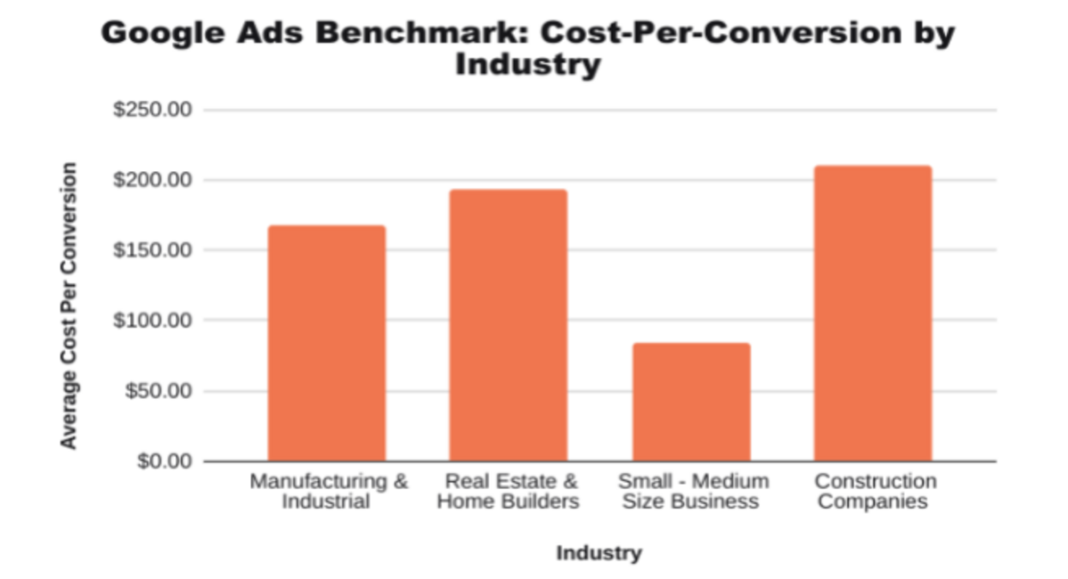


Although increasing Google Ad Rates are a widespread worry for businesses in Australia, Google Ads may be a very effective lead and sales generator. Many marketers and website managers discover that they are increasing their expenditures every quarter without witnessing a commensurate rise in outcomes. High advertising expenses are not inevitable, which is excellent news. Spend can be cut while performance is improved with the correct tactics, which are advised by seasoned search optimisation firms.
This article explains how top search engine optimisation firms reduce Google Ads costs and how Australian companies might use these insights.
Increase in Google Ad Rates
Before cutting down on expenses, it is crucial to know the reasons first for the increase of Google Ad Rates. The scene of paid search in Australia is quite competitive, especially in the segments of retail, trades, professional services, and e-commerce.
The main factors resulting to an increase in costs are:
- Raising of the competition that bid on the same keywords.
- Poor Quality Scores resulting in a higher cost per click.
- Broad targeting which brings in low-intent traffic.
- Ads and landing pages that do not match up to user intent.
Search optimisation agencies concentrate on enhancing efficiency rather than merely lowering bids which is where actual savings are realized.
Quality Score Improvement to Cut Costs
A very great method of reducing Google Ad Rates is the Quality Score improvement. Google charges less and gives better positioning to ads that are relevant and helpful.
The top-tier search optimization firms put their efforts into:
- Smaller, tightly knit keyword groups instead of extensive and diverse ad groups.
- Concise and straightforward ad text that directly corresponds to the searching user’s intention.
- Landing pages that are swift to load, optimize across devices, and meet the promises set by the ads.
For instance, an Australian business providing home assistance would be better off by creating separate ad groups for blocked drains, burst pipes, or hot water repairs as opposed to a general plumbing campaign.
Targeting of the Keywords Done Smarter
Many companies spend extra due to ineffective keyword strategies. Traffic generated by broad keywords is often made up of users who are not ready to purchase and thus are less likely to convert.
The search optimisation agencies advocate:
- Implementing long-tail keywords that indicate user’s clearer intention.
- Consistent and systematic analysis of search term reports.
- Creating negative keywords to block the traffic that is irrelevant.
For example, an e-commerce brand selling premium skincare in Australia might not include terms like free, DIY, or wholesale in their list of keywords if those searches do not correspond with their offering. This alone can be a major factor in cutting down on wasteful expenditure.
User Intent Matching and Ads
Cost reduction on Google Ad Rates is not solely dependent on keywords. Intent matching also plays a crucial role. Very similar looking ads to the users’ searches will not only do well but will also have a lower cost per click.
The search optimisation companies apply the following conducts:
- Drafting a variety of ads for different user requirements.
- Pointing out value, trust signals, and local pertinence.
- Trying out various calls to action like Get a Quote, Book Online, or Shop Australian Made.
When ads address the user’s concern directly, Google notices increased engagement, which in turn can lead to decreased costs.
Landing Page Optimisation Does Matter
Even ads that are well targeted can still turn out to be costly if the landing page experience is not good. Search firms view landing pages as a major part of cost reduction, not an afterthought.
The main aspects of areas of focus are:
- Quick page loading, especially for mobile users.
- Headlines that are easy to understand and correspond with the ad text.
- Forms that are easy to fill out and prompt action.
- Content that dispels doubt through reviews, certifications, or guarantees.
In Australia, the local indications such as areas of service, Australian testimonials, or local contact information can also contribute to increasing conversion rates and thereby reducing the cost of acquisition.
Making Use of Data to Fine-tune Campaigns
Continual optimisation is a requirement. Major search optimisation companies depend a great deal on data, not on the going of assumptions.
Their regular analysis consists of:
- Cost per click and cost per conversion patterns.
- Performance per device, location, and time of day.
- Which keywords and ads give rise to actual business outcomes.
By shifting budget away from the segments that are not performing well and enlarging the successful ones, the businesses can manage Google Ad Rates more effectively in the course of time.
Merging SEO with Paid Ads
A common perspective of the companies that specialise in search optimisation is that the roles of SEO and Google Ads should not be separate. Strong organic visibility can be a great asset to reduce the need for paid ads on some keywords.
The advantages are:
- SEO data helps in the identification of high intent keywords for ads.
- Less ad spends on keywords where organic rankings are good.
- Brand credibility is boosted by being visible on both paid and organic search results.
- This joined approach will stabilise the cost while the visibility remains.
Wrapping Up
Lowering Google Ad Rates is not associated with taking shortcuts and giving up the visibility. Australian businesses can make the right investment and get even better results with the right strategy. Insights from professionals at search optimisation companies point out that long-term relevance, quality, and data-driven decision-making are the main factors behind the success.
By emphasising Quality Score, intently driven keywords, resilience of landing pages, and constant optimisation, website managers and marketers will be able to convert Google ads into a highly cost-effective and sustainable growth channel.